





Interview with Pr. Lamoureux, a pioneer in theranostics in Canada
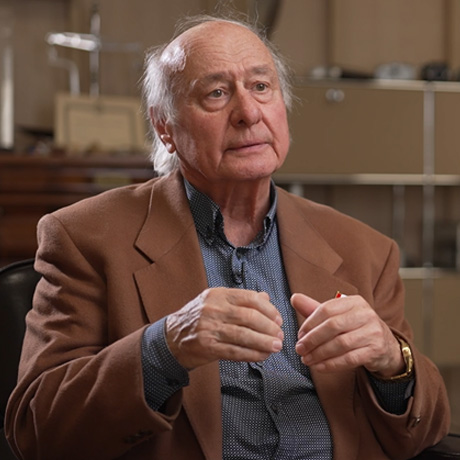
As President of the Canadian Association of Nuclear Medicine (CANM), Professor François Lamoureux has been working for several decades, notably in the Department of Nuclear Medicine at the University of Montreal, putting his experience to good use in advancing diagnostic accuracy and the development of nuclear medicine. We are living in a pivotal era in the treatment of cancer: “Cancer is a curable disease” as Professor François Lamoureux emphasises, “With nuclear medicine, we are taking a major step forward because we are prolonging patients’ lives and, above all, improving their quality of life”. These words resonate at Lemer Pax, where ‘Protecting Life’ is the guiding principle.
New technologies, new radiotracers – never before have innovations come thick and fast at such a pace for doctors and users in the field of nuclear medicine.
“Today, thanks to a much more structured ecosystem, progress in diagnosis and treatment is very encouraging.”
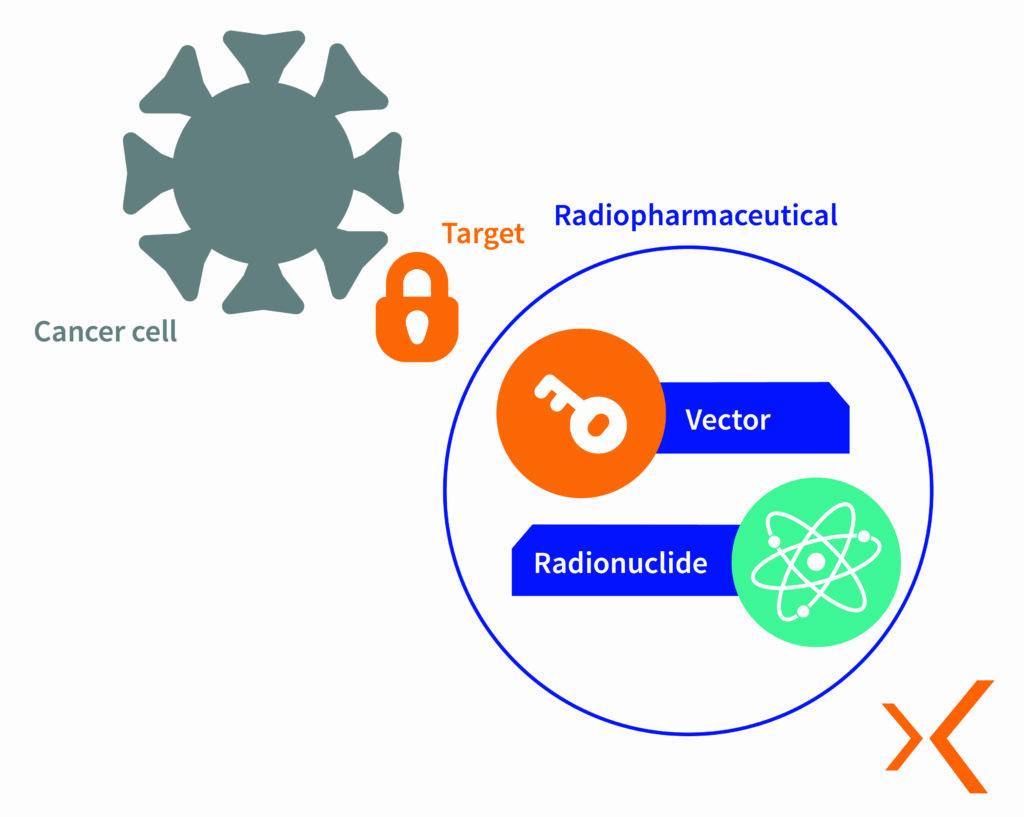
Within this approach, RadioPharmaceutical Therapy plays a key role. “Targeted therapy does indeed have an advantage. It’s like the key to a lock. It directly targets the cancer cells – those that are multiplying at a very rapid rate within the body.”
A systemic treatment that does not affect healthy cells, unlike another systemic treatment, namely chemotherapy.
The benefits for the patient are undeniable and will, it is reasonable to expect, be further enhanced by the widespread use of AI in nuclear medicine departments. ‘Whilst the human relationship between patient and practitioner remains paramount, it is important to highlight the high-tech nature of modern nuclear medicine. In Canada, we no longer subject all patients to chemotherapy. However, the transition from one treatment to another does not happen overnight. In the healthcare sector in general, and in our speciality in particular, we are subject to numerous validation processes before a new protocol replaces the previous one. Many factors must be taken into account, such as, for example, the personalisation of the dose.”
In therapy, personalisation becomes even more important
Personalising the radiopharmaceutical dose in nuclear medicine involves tailoring the radioactive activity administered to each patient, rather than using a standard dose for everyone. This is often referred to as personalised dosimetry. The field has changed significantly since the use of iodine-131 and the treatment of thyroid conditions in the 1940s. Today, a wide range of radionuclides are used. ‘When using a gamma emitter, radiation is emitted across a broad spectrum. With a beta emitter, you enter a smaller world; with an alpha emitter, you target the microscopic level, which could be described as nuclear.’
At the same time, the range of new radiotracers available in nuclear medicine has increased significantly over the last two decades, and this trend has even accelerated recently with the advent of precision oncology and theranostics.
“The advantage of these new tracers lies in the diagnostic and therapeutic benefits they offer. They pave the way for personalised medicine that is more patient-centred by reducing radiation doses and hospital stays.”This shift in practice requires stricter regulations concerning the radiation protection of patients and healthcare professionals against ionising radiation, as well as improved traceability of radiopharmaceuticals throughout their production and use.
“The authorisation procedures for new radiopharmaceuticals could be revised to speed up access to innovation whilst ensuring user safety. Nuclear medicine is an international community characterised by a high level of collaboration, and the different regulatory frameworks in each country do not pose an obstacle to the development of our discipline.
We actually have a shortage of qualified staff, which is why in Canada we are focusing on technology to make nuclear medicine more attractive to young people by training them in these new practices.
RadioPharmaceuticalTherapy is an excellent way to capture their interest »
Its development will require some adjustments to nuclear medicine departments and will lead to the development of theranostic platforms and multidisciplinary teams (nuclear medicine specialists, oncologists, physicists, radiopharmacists) with standardised protocols and personalised dosimetry. This development will also strengthen the partnership between healthcare professionals and the relevant industry players.
“Manufacturers are responsive and can invest in the research and development of new radiopharmaceuticals and therapeutic radionuclides. They help to ensure the production and supply of medical isotopes and contribute to the development of dosimetry, imaging and radiopharmacy technologies, as Lemer Pax does with its policy of innovative radiation protection solutions, which are always designed to benefit radiographers and patients.”
Discover our full range of products designed for your Nuclear Medicine department

 France

